Seu carrinho está vazio no momento!
Alcoholism and Anger: Unraveling the Hidden Connection
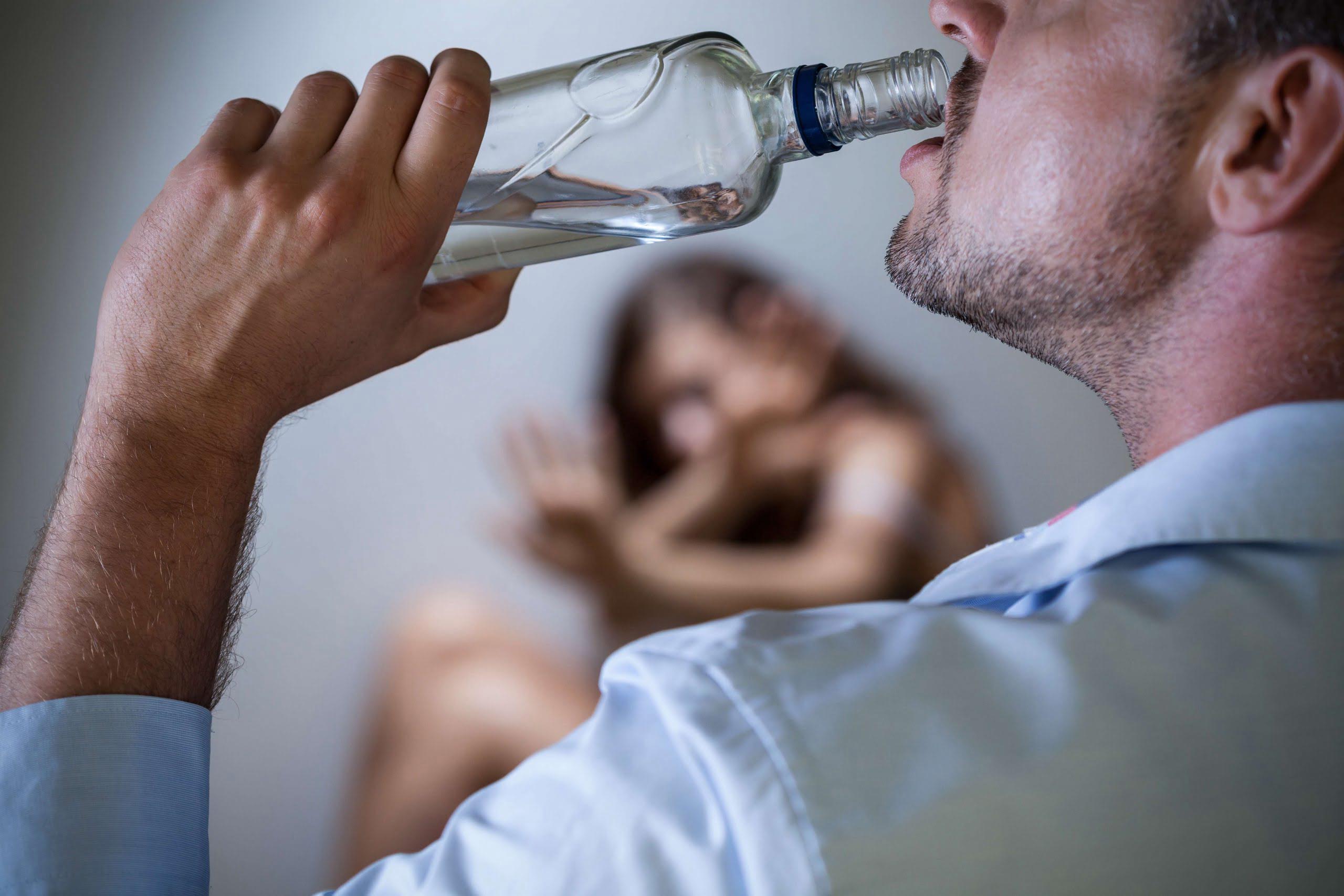
Therefore, people who rely on drinking as a coping mechanism can be more inclined to make rash choices, such as having unprotected sex or getting into a car with a stranger. If you feel like you have a pattern of being aggressive when drinking alcohol, you should understand how your behavior can impact yourself and others. When it comes to anger specifically, people may experience a phenomenon called “alcohol myopia” in addition to their already heightened emotions.
Does Insurance Cover Alcohol and Anger Treatment?
And because alcohol directly impacts serotonin levels, excess drinking means our limbic response isn’t reliable. This is one reason why people are quick to anger when they’re drinking – they are perceiving more threats than they would with no alcohol in their system. Chances are, you’ve either seen this in your friends or you’ve seen it in yourself. Do you ever wonder why it feels so easy to confront your anger when you’re drinking?
- After much consideration, he eventually joined an alcohol treatment program as I helped him grieve his wounds and manage his anger.
- Healing can’t happen when alcohol is involved, so the anger continues.
- Alcohol affects behavior by impairing judgment, lowering inhibitions, and altering emotional responses.
- Feeling uneasy, I turned to Local Matters, where a discussion revealed it as a burglary code marking ‘Good Target’ homes.
Understanding the Relationship between Alcohol & Anger
Before exploring the effects of alcohol on brain functions, it’s crucial to understand the connection between alcohol consumption and anger. For numerous individuals, alcohol serves as a coping mechanism, offering temporary respite from underlying stressors, anxieties, or unresolved traumas. Yet, when these suppressed emotions resurface, they often manifest as different types of anger issues.
Second: Understanding the Signs of an Alcohol Use Disorder
- And don’t forget self-care — supporting someone in recovery can be emotionally draining.
- If you’re less worried about what others will think, or of any consequences, you could be more likely to have a strong reaction when something upsets you (2).
- Children growing up in homes where alcohol and anger reign supreme may develop their own emotional regulation issues, perpetuating the cycle across generations.
- Legal issues are another common fallout of alcohol-induced aggression.
- Alcohol severely decreases cognitive function, which makes it harder to problem-solve, make safe decisions, and control aggression.
- Understanding the complex relationship between these two conditions is the first step towards addressing them effectively and reclaiming a healthier, more balanced future.
Remember, quitting a substance cold turkey can lead to health issues, so it’s best to enlist professional help. Many people may naturally become angry or upset when drinking, but it’s not necessarily their fault. Sometimes, people with alcohol use disorders have an unhealthy relationship with alcohol due to specific genetics.
Understanding Aggression
Regular mental health check-ins—either through self-assessment or with a professional—help identify early warning signs and allow for timely adjustments in treatment. HART Rehab offers compassionate care for individuals and families facing the challenges of alcohol-induced behavior. Reach out https://ecosoberhouse.com/ today—and take the first step toward recovery, safety, and peace of mind. Over time, this environment can feel unsafe and unpredictable. Loved ones may feel confused about whether the behavior is “just the alcohol” or a deeper personality issue.
The Eye-Opening Science Behind Alcoholic Rage
You’ve probably noticed (or observed) that you say and do things when you’re drinking alcohol that you wouldn’t normally say or do. Addressing both alcoholism and rage helps prevent relapse and rebuilds healthier relationships. Therapy and recovery support can help rebuild emotional stability.
The difference between inhibiting and disinhibiting influences constitutes a person’s “urge-impedance,” or the overall ability of an individual to inhibit an aggressive inclination. There is little debate that alcohol is a contributing cause of aggressive behavior. The extreme complexity of this relation, however, has been the focus of extensive theory and research. And, likely due to this complexity, evidence-based alcoholism and anger programs to prevent or reduce alcohol-facilitated aggression are quite limited. Recovery from alcohol addiction and anger issues requires more than willpower.

Communities heavily affected by methamphetamine use, particularly in rural America, face alarmingly high rates of domestic violence. Reporting from The Conversation notes that meth-fueled sexual arousal often contributes to coercive control and physical abuse within intimate relationships. Men under the influence may use violence as a tactic for manipulation and domination 8.
Helping someone with alcohol-induced aggression? Get the support and safety resources you need.
However, if anger is not treated and managed appropriately, this may cause harm to your health. Alcoholism, a chronic and progressive disorder, is characterized by a compulsive need to consume alcohol, despite the negative consequences it may have on one’s physical, mental, and social well-being. Self-awareness is important for everyone’s mental health, but it is especially necessary for people with AUD and anger issues. Understanding your emotions and making smart decisions about alcohol consumption is the best way to avoid problems. Despite what you may have heard, anger is not an unhealthy emotion. It only becomes unhealthy when it goes unresolved and when it isn’t addressed.
In a support group, you can meet like-minded individuals who can help make recovery that much easier. This aggressive behavior may result in other issues, such as verbal abuse. If drinking causes a blackout, you may not even remember being aggressive unless someone reminds you about it.
Understanding this connection is important for managing both anger and alcohol-related problems. The article marijuana addiction situates alcohol-related anger within the broader framework of behavioral health treatment. Guidelines from the American Psychiatric Association emphasize that substance use disorders often coexist with mood and anxiety conditions, making integrated care essential. Treating alcohol use without addressing emotional regulation challenges may leave core drivers of behavior unresolved. Evidence shows that comprehensive treatment approaches addressing both substance use and mental health factors improve long-term outcomes.
Deixe um comentário